Column · @cristianxzlz473
Why Artificial Roofing Chicago Projects Call For Climate-Smart Materials
Chicago does not forgive weak roof decisions. A roofing system below needs to endure freeze-thaw cycles, lake-effect wind, summer season warmth, driven rain, hail, ice dam conditions, and the kind of temperature swings that reveal every faster way in style and installment. That reality is why much more owners, engineers, and builders are looking closely at artificial roofing systems, especially on homes where look matters as long as long-lasting performance.
The conversation is not simply about picking a roofing that looks great on day one. It has to do with selecting a material system that can manage the regional climate without demanding constant repair services, early replacement, or concessions in aesthetic charm. In the Chicagoland market, where a roof covering could be asked to imitate slate, cedar, or shake while still satisfying contemporary expectations for longevity, climate-smart material selection matters more than advertising language.
Synthetic roof has actually matured well past its early track record. The best products now incorporate crafted polymers, UV stabilizers, effect resistance, color consistency, and lighter weight in ways that fix practical issues on real homes. For an artificial roof covering Chicago project, that combination can be especially beneficial, offered the item and the installer are both selected with care.
Chicago climate is not one trouble, it is numerous stacked together
Many roof covering discussions decrease climate performance to a single issue, normally snow or wind. In Chicago, the obstacle is cumulative. A roofing can cook under strong summer sun, then rest under ice and snow months later on. It can be dry one week and struck with wind-driven rain the following. Those duplicating cycles wear products not just via large tornados, but with continuous growth, contraction, wetness direct exposure, and surface abrasion.
Natural products can be lovely, but they come with recognized susceptabilities in this environment. Cedar can absorb moisture, weather condition erratically, and need normal upkeep to remain in form. All-natural slate is long lasting, yet heavy, fragile under influence, and expensive to fix when specific pieces fracture or slip. Traditional asphalt continues to be common, but several basic products simply do not supply the very same layout worth or life span expected on higher-end homes.
That is where architectural synthetic roof gets in the conversation. It offers the aesthetic personality of traditional premium products while dealing with a few of the real-world weak points those products deal with in an area like Chicago. Weight, effect efficiency, freeze-thaw resistance, and installment versatility all end up being main issues, not side notes.
Why climate-smart materials matter a lot more on expensive homes
The risks rise on custom houses, historic-inspired builds, and larger homes with complex rooflines. These jobs often entail valleys, dormers, steep pitches, turret components, long eaves, and other information that transform a roof right into an architectural function. When the roof projects, homeowners desire the depth, texture, and shadow lines of slate or hand-split cedar. At the exact same time, they do not desire constant maintenance teams in the driveway.
Synthetic roofing for high-end homes functions best when it resolves both sides of that formula. It needs to look convincing from the road and from close range. It also has to stay secure on a roof covering exposed to snow tons, thermal activity, and high winds. On exceptional homes, early failure is greater than a fixing problem. It disrupts appearance, affects resale perception, and can result in costly downstream damages in trim, decking, insulation, and interior finishes.
I have actually seen proprietors invest greatly on exterior stone, copper information, and custom-made https://dominicksqxs689.pinehavenscope.com/posts/synthetic-roof-roofing-shingles-that-resist-splitting-curling-and-dampness-damage windows, after that attempt to economize on the roofing assembly itself. In the Chicago location, that typically shows up later as warped courses, repeating blinking leaks, ice dam trouble, or a roofing that ages erratically and threatens the whole altitude. Premium synthetic roof covering makes sense when it is treated as part of the building envelope, not as an attractive afterthought.
Synthetic roofing is lighter, and that changes the structural equation
One of the least attractive however essential advantages of lots of artificial roof is weight. Natural slate can be exceptionally heavy. On some homes, especially older frameworks or remodels, installing true slate may need substantial structural testimonial and reinforcement. That includes price, complexity, and time.
A top quality synthetic choice often provides the slate or drink check out a fraction of the weight. For synthetic roof replacement job, this can open up alternatives that would certainly otherwise be difficult or not practical. A homeowner may accomplish the aesthetic impact they want without redesigning sections of the roofing system framework. That can be especially helpful during tear-offs on older Chicago-area homes where framing conditions differ and concealed shocks are common.
Lighter products also aid with managing on website. Crews can move them extra efficiently, presented lots can be managed extra carefully, and particular roof information become less complicated to carry out easily. None of that replaces craftsmanship, but it does improve the installment atmosphere. In my experience, much better conditions commonly lead to much better workmanship.
Freeze-thaw resistance is where material science gains its keep
A Chicago roof covering does not simply splash. It gets wet, freezes, defrosts, refreezes, and duplicates the cycle over and over. That pattern punishes any material that absorbs water conveniently or creates tiny cracks in time. As soon as moisture enters prone places, expanding ice can expand issues and speed up failure.
High-quality synthetic roofing roof shingles and tiles are engineered to restrict moisture-related wear and tear. The greatest products stand up to splitting, splitting, and edge breakdown under reduced temperatures. That matters most on exposed elevations and in roofing system locations where snow remains. North-facing inclines, shaded valleys, and areas near chimney saddles are where climate-smart options show their worth.
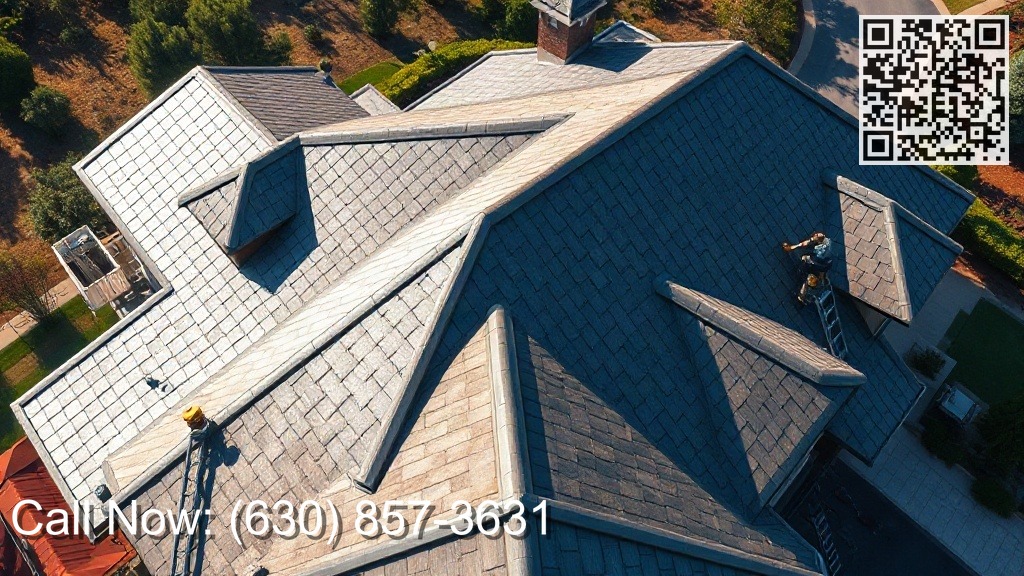
This is likewise why not all artificial roofs are equal. Some lower-end items might look appealing in a brochure yet react badly to long term UV direct exposure, duplicated thermal biking, or impact events. The phrase costs artificial roof should indicate more than a higher price. It needs to show screening, verified formula, credible manufacturing, and a track record in demanding climates.
Hail and wind resistance are no more niche concerns
Homeowners across the area are a lot more familiar with hailstorm danger than they were a decade ago. Tornado patterns have actually ended up being less foreseeable, and extra homes are experiencing damage from events that would certainly once have actually been taken into consideration unusual. Wind is the other continuous. Open up exposures, corner great deals, and homes near the lake or along more comprehensive suburban passages can deal with severe uplift stress and wind-driven rain.
A climate-smart roofing system setting up for this market needs to account for both. Much better synthetic roof frequently provide solid effect rankings and robust attachment patterns. That does not make them untouchable, but it can decrease the chance of crack, dislodgement, or cosmetic damage severe enough to require prevalent replacement.
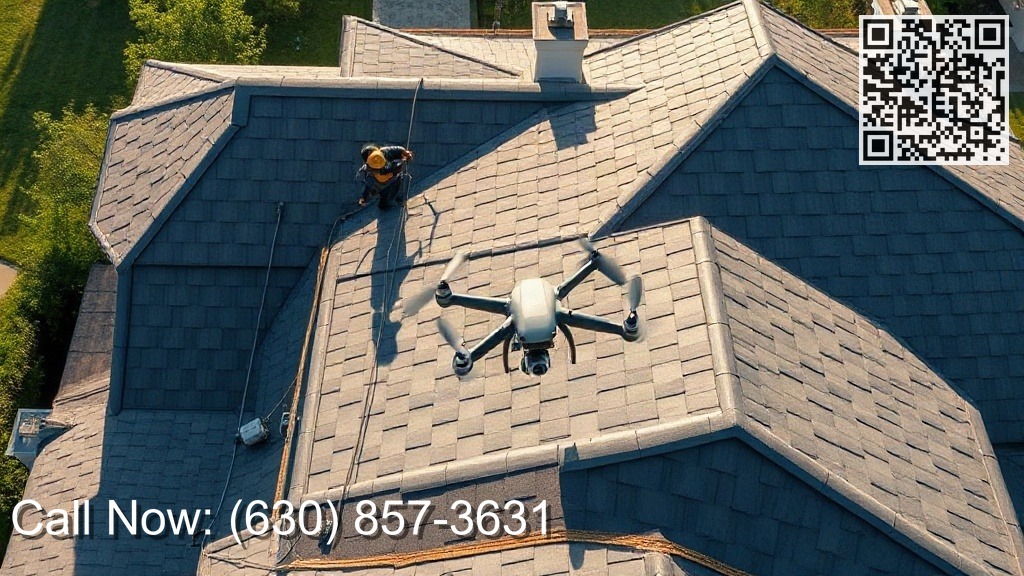
For an artificial roofing contractor Chicagoland house owners can trust, this is where product understanding matters. It is not nearly enough to state a roofing system is sturdy. The specialist should have the ability to describe exactly how the product is ranked, how it is fastened, how it manages edge zones and ridge problems, and whether accessory components become part of a checked system. That level of quality is generally a great sign that the firm deals with roof as an efficiency discipline instead of a sales script.
Appearance matters, yet credibility matters more
There was a time when numerous artificial roof items looked undoubtedly man-made. Sides were too uniform, patterns repeated too predictably, and shades lacked the refined variation seen in natural products. The very best modern-day products have enhanced dramatically. Some architectural synthetic roof profiles now produce shadow lines, appearance, and density that checked out convincingly from both the ground and closer inspection.
That makes them specifically appealing for household synthetic roof in areas where building personality lugs weight. Partly of Chicago and the western suburbs, proprietors want roofing systems that enhance Tudor, French Nation, Colonial, or contemporary customized styles without considering materials that may be not practical for the framework or the maintenance budget.
A well-selected artificial roofing system can echo natural slate, hand-split cedar, or designer shake while offering even more foreseeable weathering. The word predictable matters. With natural products, some variation belongs to the appeal. Yet there is a difference between aging and deterioration. Synthetic materials, when made well, tend to hold aesthetic consistency better across inclines and exposures, which can assist the roofing appearance well balanced years after installation.
The installer matters as much as the material
Even the best product can underperform if the crew does not recognize the system. Artificial roof installation is not the like conventional asphalt job, and it ought to not be treated that way. Layout, fastening, starter outlining, ridge transitions, ventilation approach, underlayment choice, and blinking combination all are entitled to attention.
That is why choosing knowledgeable synthetic roofing system installers is critical. In the field, the majority of roof covering failures do not take place due to the fact that a product sales brochure made a false pledge. They happen due to the fact that information were rushed, penetration blinking was improvisated, valleys were mishandled, or ventilation was disregarded. On a Chicago roof, small blunders obtain enhanced by weather.
A dependable synthetic roofing business must walk a home owner through the complete assembly, not just the visible roof covering. Underlayments, ice and water defense, attic air flow, decking condition, flashing metals, and drainage details all influence service life. If a proposal concentrates only on the roof shingles or tile itself, that is a warning sign.
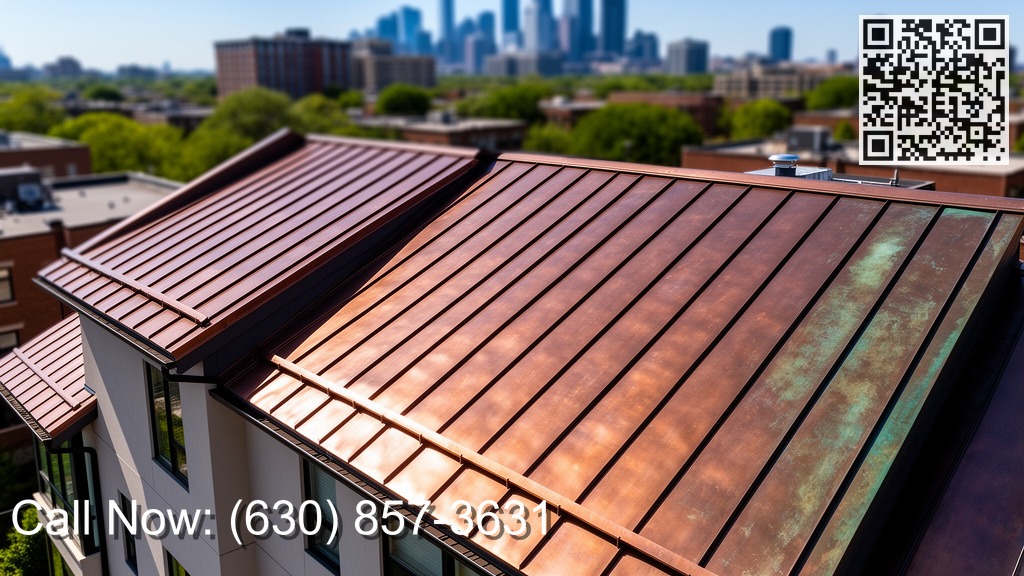
Here are a couple of concerns worth asking any artificial roofing contractor prior to authorizing a contract:
- Which particular line of product are you installing, and why is it fit to this roofing system and this climate?
- How will you take care of at risk areas such as valleys, eaves, shifts, and penetrations?
- What underlayment and air flow approach do you recommend, and how does it sustain the warranty?
- Have you finished equivalent artificial roofing replacement tasks in your area that I can review?
- Who supervises installation on website, and just how are maker requirements verified?
Those questions disclose a great deal, swiftly. Experienced contractors typically answer them with confidence and beneficial detail. Unskilled ones tend to wander back toward general claims.
Suburban tasks bring their own considerations
An artificial roofing Naperville IL project may encounter different website problems than a dense city roofing system in Chicago proper, yet the climate reasoning remains the exact same. Rural homes usually have bigger roofing system impacts, even more complicated elevations, and higher direct exposure to crosswinds. Mature trees can include color, debris, and moisture retention in some locations, while open class can leave roofing systems fully exposed in others.
In Naperville, Hinsdale, Glen Ellyn, Barrington, and comparable communities, style expectations are commonly high. Home owners may desire the aesthetic splendor of cedar shake or slate without the recurring upkeep burden. That is where domestic synthetic roof frequently makes a compelling situation. It can meet architectural expectations while reducing worries about rot, brittleness, inconsistent weathering, or excessive structural load.
The right choice still relies on the house. A wide, low-slope transitional home may ask for a various account and shade mix than a steep-pitched rock home with standard describing. Excellent specialists do not require one item onto every job. They match roofing system geometry, neighborhood context, budget plan, and performance requires to a system that makes sense.
Energy performance belongs to the climate-smart discussion
Roofing discussions in the Midwest commonly fixate cold weather, but summer warmth should not be ignored. Dark roofing systems can take in considerable solar energy, and attic room temperatures can rise promptly without correct air flow. While the roofing covering alone is not a magic solution, material selection, shade option, and assembly layout all influence thermal behavior.
Some artificial roof tiles are offered in shades and formulas that much better handle solar gain than older, darker products. A lot more importantly, a proper artificial roofing installation can be paired with modern-day underlayments and well balanced air flow techniques that assist the entire setting up execute more continually. That can sustain interior convenience and minimize tension on a/c systems, particularly in upper-story spaces.
This is an area where realistic assumptions matter. The roof covering is one piece of a larger system. Insulation degrees, attic air securing, vent design, and air duct placement all form power efficiency. A significant contractor will certainly describe that relationship rather than overselling a solitary product feature.
Maintenance is lower, not nonexistent
One of the most typical misconceptions about synthetic roofings is the concept that they get rid of maintenance entirely. They do not. What they usually do is reduce the type and regularity of maintenance compared to certain all-natural materials.
A roofing system still needs periodic assessment, particularly after extreme storms. Particles needs to be gotten rid of from valleys and gutters. Flashings still age. Sealers at particular transitions might at some point require focus. Branches can still scuff surface areas. Foot traffic can still harm badly dealt with areas. The difference is that top quality artificial roof generally ask less of the owner over time while holding look and performance a lot more reliably.
A reasonable maintenance routine usually includes the following:
- An aesthetic examination each spring and fall.
- A professional roof covering check after major hail or wind events.
- Gutter and valley cleansing to prevent water backup.
- Prompt repair work of blinking or penetration issues.
- Trimming overhanging branches that trap moisture or cause abrasion.
That is workable for a lot of house owners, especially compared to the ongoing care some natural roof covering materials require.
Cost ought to be evaluated over the life of the roof
Upfront cost matters, yet it must not control the decision. Synthetic roofing typically sets you back greater than basic asphalt and less than several exceptional natural products, though precise pricing differs extensively by item, complexity, tear-off conditions, and area. The much better comparison is life-cycle value.
If a house owner chooses a cheaper roof covering that needs earlier substitute, even more repair services, or constant aesthetic interest, the apparent financial savings can vanish swiftly. By comparison, premium artificial roof can make good sense when it extends service life, safeguards building worth, minimizes upkeep, and stays clear of structural reinforcement that larger products may require.
That is specifically pertinent in synthetic roofing substitute jobs where the proprietor is currently spending considerable cash on tear-off, disposal, blinking job, and website logistics. As soon as the roofing is open, it deserves asking whether the chosen material will genuinely fit your house and the environment for the following numerous decades.
Climate-smart roofing is actually about educated restraint
The finest roofing decisions in Chicago are hardly ever the flashiest ones. They originate from comprehending the structure, the weather, and the compromises. Artificial roof covering fits this market when it is chosen for sensible reasons as long as aesthetic ones. It can provide the appearance of premium traditional products while decreasing weight, improving resilience, and alleviating upkeep needs in a penalizing climate.
For owners taking into consideration artificial roof Chicago alternatives, the objective ought to not be to go after fads. It needs to be to pick a product and an installer that respect what this climate does to roof coverings every year. That means looking past surface appearance and asking just how the roofing will certainly perform after 10 wintertimes, several storm seasons, and lengthy stretches of summer season sun.
When an artificial roofing contractor comes close to the project in this way, the result is normally a roof that really feels precisely the house, performs like it belongs in the region, and holds its value under problems that subject every weak decision. In Chicago, that is what climate-smart actually means.
When Quality Matters
Salvo Architectural Roofing Contractors
566 West 5th Ave Naperville, IL 60563
(630) 857-3631
 Ask ChatGPT
 Ask Grok
 Ask Perplexity
 Ask Claude
 Ask Google AI
 Ask You